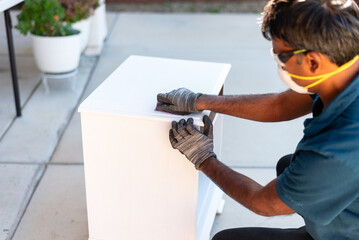
Cabinets play a major role in the appearance and functionality of a kitchen, bathroom, or laundry room. As they age, the finish may become faded, scratched, stained, or simply outdated, leaving homeowners searching for an affordable way to refresh the space. Cabinet refinishing is one of the most popular renovation options because it restores the appearance of existing cabinets without requiring a complete replacement.
While refinishing offers many advantages, it also has certain limitations that homeowners should understand before starting a project. Learning about the pros and cons of Cabinet Refinishing San Jose CA helps homeowners determine whether it is the right solution for their renovation goals.
What Is Cabinet Refinishing?
Cabinet refinishing is the process of restoring the appearance of existing cabinets by sanding, repairing, staining, or painting the visible surfaces while preserving the original cabinet structure. Instead of removing and replacing the cabinets, refinishing focuses on improving the exterior finish so the cabinets look clean, refreshed, and more modern. This process may involve repairing minor damage, preparing the surfaces, applying primer when needed, and finishing with paint or stain. Because the cabinet boxes remain in place, the overall layout of the room does not change. Refinishing offers an effective way to extend the life of existing cabinetry.
Many homeowners choose cabinet refinishing when their cabinets remain structurally sound but no longer match their preferred style. Rather than investing in an entirely new cabinet system, refinishing provides an opportunity to update the appearance while preserving the existing framework. This makes the project less disruptive than a complete remodel. Refinishing can dramatically improve the look of a room without extensive construction. It is often considered a practical middle ground between repainting and replacing cabinets.
What Are the Advantages of Cabinet Refinishing?
One of the biggest advantages of cabinet refinishing is its affordability compared to complete cabinet replacement. Since the existing cabinet boxes remain in place, homeowners avoid many of the expenses associated with demolition, disposal, and installing new cabinetry. This allows renovation budgets to stretch further while still producing a noticeable visual improvement. Refinishing can create the appearance of updated cabinets without the higher costs of replacement. Many homeowners appreciate the balance between value and appearance.
Cabinet refinishing also minimizes disruption to the home during the renovation process. Because the existing cabinet layout remains unchanged, there is usually no need to relocate plumbing, electrical wiring, or countertops. Projects are often completed more quickly than full remodels, allowing homeowners to return to their normal routines sooner. Less construction generally results in a cleaner and more efficient renovation experience. Shorter project timelines are often an important benefit for busy households.
What Are the Disadvantages of Cabinet Refinishing?
Although cabinet refinishing offers many benefits, it is not suitable for every situation. Cabinets with severe structural damage, water deterioration, broken frames, or warped components may not provide a good foundation for refinishing. In these cases, replacing the cabinets may be the more practical long-term solution. Refinishing improves the appearance of existing cabinets but cannot correct significant structural problems. Careful inspection helps determine whether refinishing is appropriate.
Another limitation is that cabinet refinishing does not change the existing layout of the room. Homeowners who want to add storage, relocate appliances, modify cabinet sizes, or improve the overall kitchen design may find that refinishing alone does not meet their renovation goals. Since the original cabinet configuration remains intact, functional improvements are generally limited. Refinishing focuses primarily on cosmetic enhancement rather than redesign. Renovation objectives should be carefully considered before making a decision.
How Long Does Cabinet Refinishing Last?
The lifespan of refinished cabinets depends on several factors, including the quality of the preparation, the materials used, and how well the cabinets are maintained after the project is completed. Proper cleaning, sanding, priming, and finishing create a durable surface capable of withstanding normal daily use for many years. High-quality products provide greater resistance to scratches, moisture, and household wear. Careful workmanship contributes significantly to long-term durability. Routine maintenance also helps preserve the finish.
Homeowners can extend the life of refinished cabinets by cleaning them with gentle products and avoiding abrasive chemicals or harsh scrubbing tools. Promptly wiping away spills, reducing excessive moisture, and addressing small chips or scratches before they worsen all help maintain the appearance of the finish. Kitchens and bathrooms benefit from good ventilation because humidity can affect painted or stained surfaces over time. Consistent care allows refinished cabinets to remain attractive for many years. Preventive maintenance protects the investment.
How Does Cabinet Refinishing Compare to Cabinet Replacement?
Cabinet refinishing and cabinet replacement each offer distinct advantages depending on the condition of the existing cabinets and the homeowner’s remodeling goals. Refinishing focuses on restoring the exterior appearance while preserving the original cabinet framework, making it a more economical option in many situations. Homeowners who are satisfied with the current cabinet layout often find refinishing provides all the visual improvement they need. It allows the room to feel updated without extensive renovation. This approach often delivers excellent value.
Cabinet replacement becomes more appropriate when the existing cabinets are damaged beyond repair or when homeowners want to completely redesign the space. New cabinets provide opportunities to improve storage capacity, modify layouts, and incorporate modern organizational features that refinishing cannot provide. Although replacement typically requires a larger investment, it may better support extensive remodeling plans. Evaluating the condition of the cabinets and long-term goals helps determine which option is most appropriate. Every home presents unique renovation priorities.
What Should Homeowners Consider Before Refinishing?
Before deciding on cabinet refinishing, homeowners should carefully evaluate the overall condition of their existing cabinets. Strong cabinet boxes, properly functioning doors, and solid structural components generally indicate that refinishing may be a suitable option. However, cabinets showing extensive water damage, loose joints, or severe deterioration may require replacement instead. Understanding the existing condition prevents unrealistic expectations about what refinishing can achieve. A thorough inspection supports better planning.
Homeowners should also consider their preferred style, budget, and long-term plans for the home. Choosing paint colors, stain finishes, hardware, and decorative details allows the finished cabinets to complement the surrounding design. Planning these decisions before the project begins helps ensure a more satisfying result. Comparing refinishing with other renovation options also provides valuable perspective when making the final decision. Careful preparation contributes to a successful remodeling project.
Is Cabinet Refinishing Worth It?
For many homeowners, cabinet refinishing offers an excellent balance between affordability, appearance, and convenience. Existing cabinets that remain structurally sound can often be transformed into an attractive feature that complements the rest of the home without requiring complete replacement. The ability to modernize a kitchen or bathroom while minimizing demolition makes refinishing an appealing renovation choice. Many homeowners appreciate the combination of cost savings and visual improvement. Refinishing continues to be one of the most practical cabinet upgrade options available.
The decision ultimately depends on the condition of the cabinets and the homeowner’s renovation objectives. When the existing cabinetry provides a solid foundation, refinishing often delivers impressive results with less expense and disruption than replacing every cabinet. Understanding both the advantages and limitations allows homeowners to make informed decisions that fit their needs, budget, and long-term plans. Thoughtful planning helps maximize the benefits of any cabinet refinishing project.
Final Thoughts
Understanding the cabinet refinishing pros and cons allows homeowners to determine whether this renovation option aligns with their goals. Refinishing offers significant advantages, including lower costs, shorter project timelines, and the ability to dramatically improve the appearance of existing cabinets. However, it may not be suitable for cabinets with serious structural damage or homeowners seeking a completely redesigned layout. By carefully evaluating the condition of the cabinetry and considering long-term needs, homeowners can choose the renovation approach that provides the greatest value, functionality, and lasting satisfaction.