Installing Metal Gate and Fence is one of the most effective ways to improve a property’s security, privacy, and curb appeal. Whether surrounding a residential yard, securing a commercial property, or enhancing a driveway entrance, metal fencing provides long-lasting durability with a wide range of design options. However, many property owners wonder how much they should expect to spend before beginning a project. The total cost depends on several factors, including the type of metal, the size of the installation, design complexity, labor requirements, and optional features. Understanding what influences metal gate and fence costs helps property owners create realistic budgets while choosing solutions that provide lasting value.
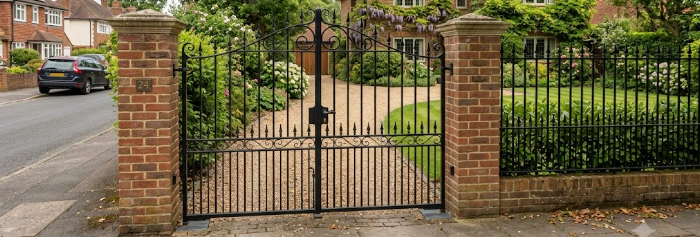
What Factors Affect Metal Gate and Fence Costs?
Several factors influence the total cost of installing a metal gate and fence, making every project unique. The overall length of the fence is often one of the largest pricing factors because more materials and labor are required as the installation area increases. Gate size also affects the final cost, particularly when large driveway entrances or double gates are involved. The shape of the property, ground conditions, and accessibility can further influence installation time. Every project requires an individual assessment to determine accurate pricing.
Material selection also plays a major role in the overall investment. Steel, wrought iron, aluminum, and other metals each have different manufacturing costs, maintenance requirements, and expected lifespans. Some materials offer exceptional strength, while others are valued for their corrosion resistance or lightweight construction. Protective coatings and specialty finishes may increase the initial cost but often reduce future maintenance expenses. Selecting the right material involves balancing appearance, durability, and long-term value.
How Does Fence Design Influence the Price?
The design of a metal fence has a significant impact on its overall cost. Simple, clean designs with straight pickets and minimal decorative details are generally less expensive to fabricate than highly ornamental styles. Decorative scrollwork, intricate patterns, laser-cut panels, and custom architectural elements require additional fabrication time and specialized craftsmanship. As customization increases, so does the amount of labor involved in producing each section of fencing. More complex designs often become standout architectural features that enhance the property’s appearance.
Fence height and privacy requirements also influence pricing. Taller fences require additional materials and stronger structural support to maintain long-term stability. Privacy panels, decorative screens, and closely spaced pickets increase material usage while affecting fabrication time. Property owners should carefully consider whether decorative appearance, enhanced privacy, or maximum visibility is their highest priority before selecting a design. Matching the fence to the property’s needs helps maximize the overall investment.
What Affects the Cost of a Metal Gate?
The gate itself is often one of the most customized components of the entire fencing system. A small pedestrian gate typically requires fewer materials and less hardware than a large driveway gate designed for vehicle access. Wider openings demand stronger frames, heavier hinges, and more robust support posts to ensure reliable operation over time. Larger gates also require greater fabrication precision to maintain smooth performance. These structural considerations naturally influence the final cost.
Additional features can further increase the price of a custom metal gate. Decorative accents, personalized designs, ornamental finishes, and integrated lighting all require additional fabrication and installation work. Many property owners also choose automated gate systems that provide convenient access through remote controls, keypads, intercoms, or smartphone integration. While these upgrades increase the initial investment, they often improve everyday convenience, security, and long-term functionality. Selecting only the features that meet practical needs helps maintain budget control.
How Do Installation Costs Impact the Overall Budget?
Installation is an important part of the total project cost because even the highest-quality materials require proper assembly and secure placement. Labor costs vary depending on the complexity of the project, site preparation requirements, and the condition of the property. Sloped terrain, rocky soil, existing landscaping, and underground utilities may require additional work before installation begins. Careful site preparation helps ensure the finished fence remains stable and attractive for years. Professional installation supports long-term performance.
Foundation work and post installation also contribute to overall costs. Fence posts must be positioned accurately and secured properly to provide adequate structural support for both the fence and any attached gates. Larger gates often require reinforced foundations that can support increased weight and repeated daily use. Investing in quality installation helps reduce future maintenance while improving the durability of the entire fencing system. Proper construction protects the value of the investment.
Are Custom Metal Gates and Fences Worth the Cost?
Although custom metal gates and fences generally require a higher initial investment than some other fencing materials, they often provide greater long-term value. Durable metal construction withstands years of daily use while resisting impacts, weather exposure, and normal wear when properly maintained. Many property owners appreciate the combination of attractive appearance and dependable performance that quality metal fencing provides. Long service life helps offset higher upfront costs over time. Investing in quality materials often reduces future repair expenses.
Custom fabrication also allows property owners to create entrances and fencing systems that complement the property’s architecture and landscaping. Personalized designs can improve curb appeal while providing security, privacy, and controlled access. These improvements often become permanent features that continue adding value long after installation is complete. Rather than viewing the project solely as an expense, many owners consider it a long-term investment in the property’s functionality and appearance. Custom solutions provide benefits that extend well beyond aesthetics.
How Can Property Owners Budget for a Metal Gate and Fence Project?
Planning ahead is one of the best ways to manage project costs effectively. Property owners should begin by identifying their primary goals, whether those involve improved security, enhanced privacy, decorative appeal, or a combination of several priorities. Establishing a clear vision helps determine which features are essential and which optional upgrades may be added later if desired. A well-defined project scope makes budgeting much easier. Careful planning reduces the likelihood of unexpected expenses.
Requesting multiple detailed estimates also helps property owners better understand pricing differences between materials, designs, and installation methods. Comparing proposals allows buyers to evaluate overall value rather than focusing solely on the lowest price. Quality workmanship, durable materials, warranty coverage, and long-term maintenance requirements should all be considered during the decision-making process. Choosing experienced professionals often results in better long-term performance. Thoughtful planning supports a more successful project outcome.
How Can Metal Gates and Fences Increase Property Value?
Professionally installed metal gates and fences can significantly improve a property’s appearance while adding practical benefits that appeal to future buyers. Attractive fencing creates clearly defined boundaries, improves security, and enhances the overall presentation of the home or commercial property. A custom gate also creates a memorable first impression that reflects quality craftsmanship and attention to detail. Permanent improvements often strengthen curb appeal while increasing buyer confidence. Well-designed entrances contribute to a property’s overall marketability.
In addition to visual appeal, durable metal fencing provides lasting performance that many buyers value. High-quality materials require relatively little maintenance while offering dependable protection for years. Security, privacy, and attractive design combine to create improvements that continue delivering value long after installation is complete. A thoughtfully planned fencing project benefits both current property owners and future occupants. Long-lasting construction supports stronger long-term returns on investment.
Final Thoughts
The cost of a metal gate and fence depends on many factors, including material selection, project size, design complexity, installation requirements, and optional features. While every property has unique needs, investing in quality materials, professional installation, and thoughtful design often results in a fencing system that provides decades of reliable performance. By carefully planning the project, comparing options, and prioritizing long-term value over short-term savings, property owners can create secure, attractive, and functional outdoor spaces. A well-built metal gate and fence not only enhances everyday use but also contributes lasting value to the property for years to come.